
War in Iran Reveals Strait of Hormuz’s Weakness as an Oil Bottleneck
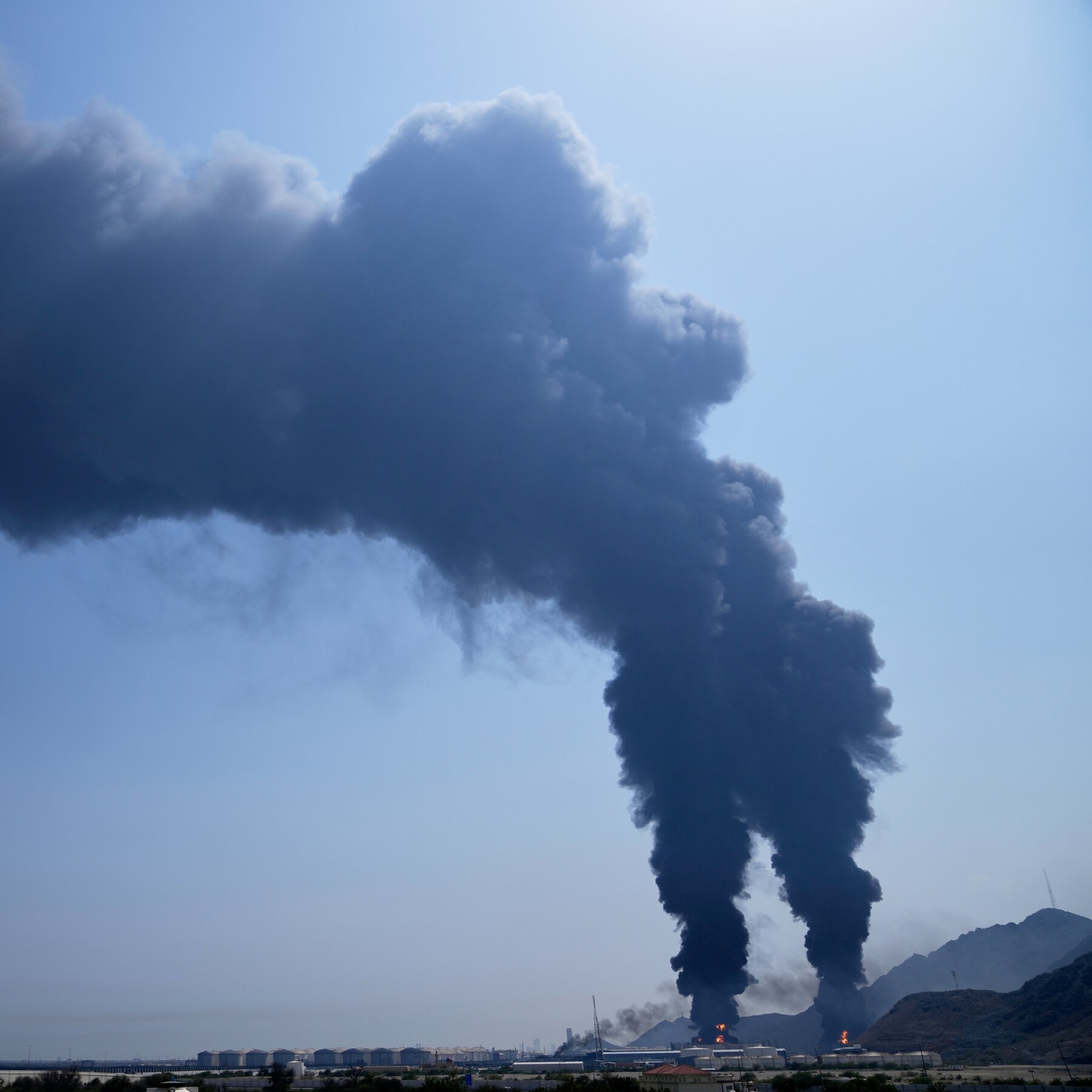
But at just 35 miles wide, it did. It’s just the latest evidence of how dependent the global economy is on a handful of choke points.
But at just 35 miles wide, it did. It’s just the latest evidence of how dependent the global economy is on a handful of choke points.

War in Iran has disrupted global oil supplies, which is prompting some car shoppers to look for ways to climb off “the gas-price roller coaster.”

The future once seemed boundless for those who grew up during China’s reform era. Now in middle age, they are pinned between economic stagnation and institutional age discrimination.

Treasury Secretary Scott Bessent estimated that the move would add about 140 million barrels of crude to the oil market.
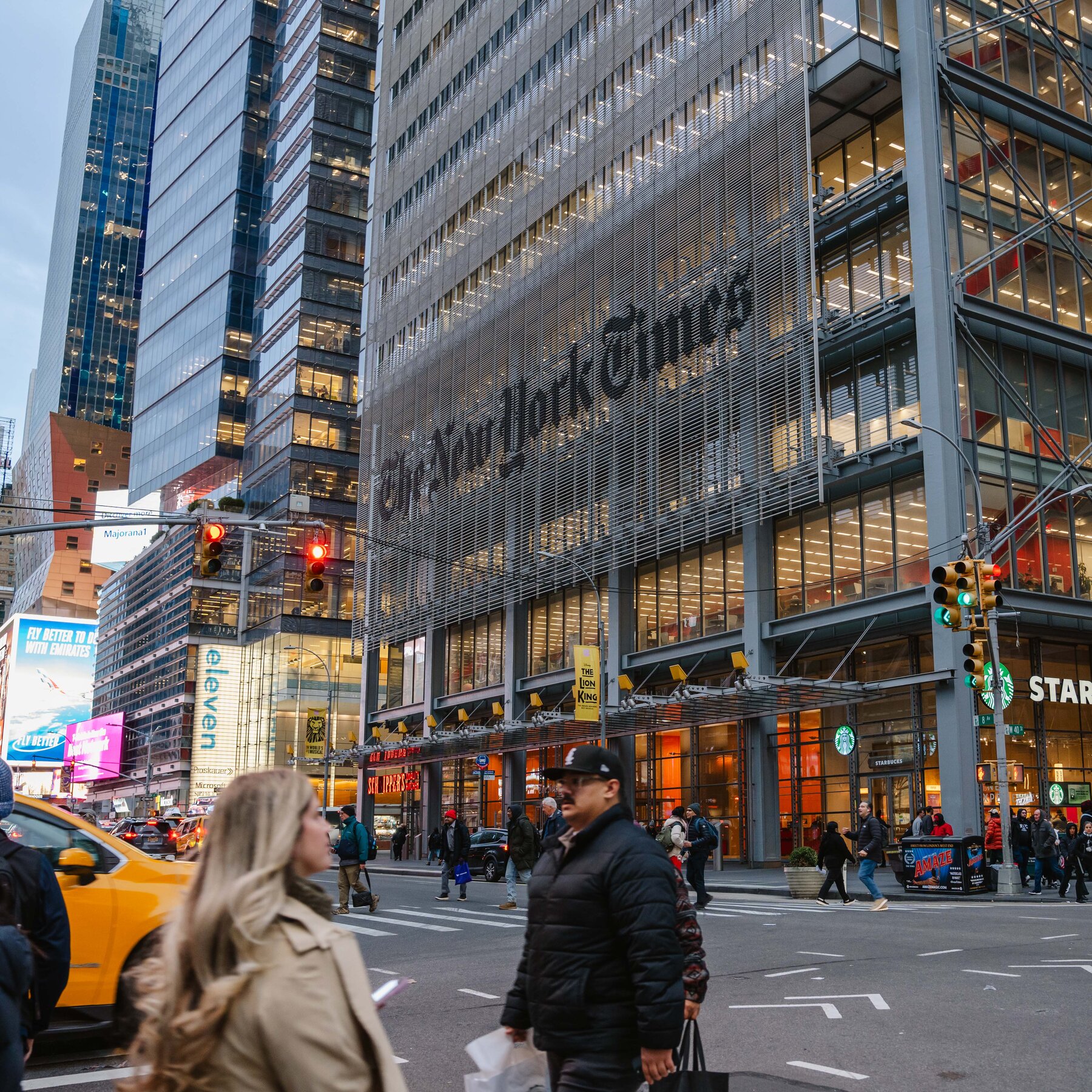
A federal judge tossed parts of the Pentagon’s restrictions on news outlets, saying they violated the First Amendment, in a lawsuit brought by The New York Times.

Christopher J. Waller, a Federal Reserve governor, said he would support rate cuts later this year if the labor market continued to weaken.

The layoffs affected several dozen employees at the news division, which is owned by the technology heir David Ellison. The company is also shuttering CBS News Radio.

At a number of companies, employees compete on leaderboards to show how much A.I. they’re using. They’re racking up big bills along the way.
President Trump has directed that most federal payments be issued electronically, including tax refunds. Last year nearly 10 million people got their refund via a paper check.
The overall economy has proved resilient in recent years, even as many households have struggled. The war with Iran is following the same pattern.